Scrap metal recycling is an important part of keeping resources in use and reducing waste in Australia. With growing awareness about sustainability and the increasing role of recycling in the economy, people are paying more attention to the value hidden in unwanted metal items at homes, construction sites, workshops and commercial spaces. Whether someone is cleaning out an old shed, disposing of a damaged car or clearing industrial equipment, understanding how to identify different types of scrap metal can make a big difference. Not only does proper scrap metal disposal help protect the environment, it can also ensure fair value when working with scrap metal dealers.
Although metal appears everywhere around us, not all metals are created equal. They differ in weight, colour, magnetic properties, value, durability and corrosion resistance. Knowing the basics can help anyone sort their scrap confidently and avoid mixing valuable metals with lower value ones. It also supports recycling facilities in processing material more efficiently. The more accurately scrap is identified before it reaches the yard, the smoother the recycling chain becomes.
Understanding the Main Categories: Ferrous and Non Ferrous
The first step in identifying scrap metal is understanding the two broad categories: ferrous and non ferrous. Ferrous metals contain iron and are usually magnetic. They are strong, commonly used in structural work and machinery, and are generally more affordable. Typical household examples include steel frames, tools, appliances and old cast iron cookware. When you bring a magnet close to a ferrous metal, it will usually attract strongly, which is one of the simplest tests anybody can perform at home.
Non ferrous metals do not contain iron. They are not magnetic, and they tend to be more resistant to corrosion. These metals usually hold higher value because they are widely used in electrical systems, aviation, plumbing, electronics and high-end manufacturing. Examples include aluminium, copper, brass, stainless steel, lead and zinc. When you test these materials with a magnet, they will not stick, or if they do, the pull will be very weak. This simple trick can instantly help separate valuable scrap from common steel materials, although it is only the starting point for proper identification.
Identifying Steel
Steel is one of the most common scrap metals found in households and industrial sites. It is used in appliances, tools, automotive parts, shelving, kitchen equipment, roofing frames and more. The easiest way to identify steel is by using a magnet, as steel will always respond. Steel ranges from light to heavy, and it can rust over time, giving off an orange-brown surface when exposed to moisture. Heavy steel, like beams or machinery parts, is extremely strong and often used in construction and engineering projects. Lighter steel like household appliance shells is thinner and easier to cut or bend. While steel does not usually fetch the highest scrap price, it is plentiful and recycling it makes a big environmental impact.
Recognising Stainless Steel
Stainless steel can be a little trickier because some grades may show partial magnetic properties. It is heavier than regular steel and has a shiny silver appearance. Stainless steel is widely used in kitchen sinks, cutlery, medical equipment and commercial food processing items because it resists rust and stains. Higher grades of stainless steel contain nickel and chromium, which increase its value to scrap metal dealers. If a piece looks very clean, resists corrosion and feels heavier than aluminium, there is a good chance it is stainless steel. Even though it may sometimes attract a magnet slightly, the overall behaviour and appearance usually make it stand out.
Spotting Copper
Copper remains among the highest-priced materials in the scrap recycling industry. It is a reddish brown colour and darkens when exposed to air, sometimes turning green as it oxidises. Copper is commonly found in wiring, plumbing pipes, roofing sheets, motors, electronics and household appliances. The easiest way to test copper wiring is by scratching the surface. If it reveals a reddish shine beneath a weathered outer layer, it is likely copper. Because copper conducts electricity extremely well, it is used heavily in electrical systems, and for that reason it is always worth separating and storing safely before taking it to scrap metal dealers. When preparing copper for recycling, stripping insulation from wires can increase its value, although safety precautions are essential.
Identifying Aluminium
Aluminium is lightweight, silver-grey in appearance and does not rust. It is non magnetic and very common in household items. Cans, window frames, ladders, car parts, cookware and bicycles often contain aluminium. Compared to steel, aluminium feels noticeably lighter and softer. It is easy to bend and cut, making it popular in construction and packaging. Although the price of aluminium is lower than copper, it is available in large volumes which makes recycling worthwhile. People often mistake stainless steel for aluminium due to the similar colour, but the weight difference instantly gives it away. If it feels light and does not attract a magnet, there is a good chance it is aluminium.
Recognising Brass
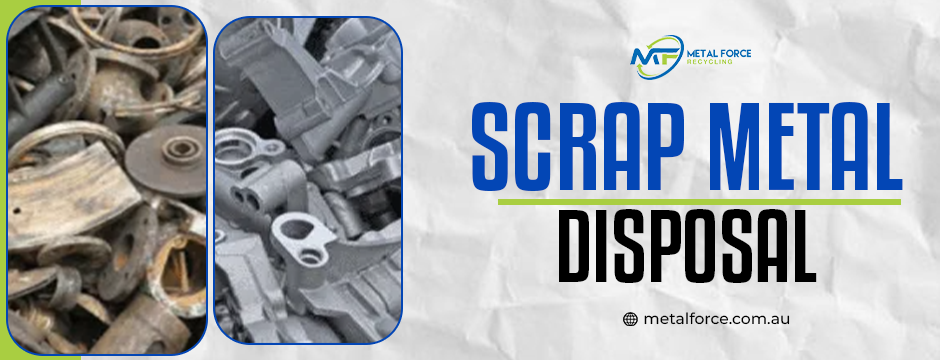
Brass is a metal blend that mainly contains copper and zinc. It has a yellow-gold colour and is often found in plumbing fixtures, door handles, decorative items, musical instruments and fittings. When scratched, brass reveals a bright yellowish tone. It does not attract a magnet and feels heavier than aluminium. Because it contains copper, brass has good resale value, so it should never be thrown into mixed scrap if it can be avoided. Sometimes brass fittings appear dull or tarnished, but a quick scratch test exposes its warm, golden metal underneath. Separating brass carefully can bring better returns during scrap metal disposal.
Spotting Lead
Lead is dense, heavy and soft. It has a dark grey appearance and can be easily scratched or dented. Lead is most commonly found in old pipes, car batteries, roofing materials, diving weights and some industrial equipment. It weighs significantly more than most common scrap metals of the same size. While valuable, lead should always be handled with care because it is toxic. Proper storage, masks and gloves are recommended, especially when dealing with older materials. Many responsible scrap metal dealers ensure safe handling and recycling practices for lead, reducing the risk to people and the environment.
Differentiating Zinc
Zinc often appears dull grey and is used in galvanised steel products, roofing components, automotive parts and outdoor fittings. It is non magnetic and can sometimes be confused with aluminium, but zinc tends to be heavier and more brittle. When zinc corrodes, it forms a white powdery surface. It may not be the most valuable metal, but it is still important to recycle because it plays a key role in rust-preventive coatings and industrial applications. Proper identification ensures that zinc coated metals do not end up mixed with clean steel or aluminium during scrap metal disposal.
Why Correct Identification Matters
Correct metal identification is beneficial for several reasons. It helps ensure fair value during recycling, protects the environment by promoting responsible disposal and avoids contamination of clean metal streams. When scrap metal is sorted correctly at the source, recycling facilities run more efficiently and less waste goes to landfill. For individuals and businesses, this means better prices and smoother service. From homeowners clearing old sheds to tradespeople clearing job sites, understanding the basics can save time and money. It also supports sustainability, which is becoming an increasingly important part of Australian industry.
A Quick Look at Magnet Testing, Colour and Weight
Although there are no bullet points here, it helps to simply reflect on the three most helpful identification methods. Magnetic response quickly separates ferrous from non ferrous metals. Visual inspection for colour, shine, tarnish and corrosion helps narrow down the type. Finally, weight and feel help distinguish aluminium from stainless steel or lead from zinc. These simple, hands-on techniques make scrap sorting practical for everyday situations. With practice, identifying metals becomes second nature.
Working With Metal Force Recycling
At Metal Force Recycling, we take pride in helping households, tradespeople and businesses manage scrap responsibly. We believe recycling should be easy, fair and rewarding, and we work to provide transparent pricing and convenient solutions. Our team understands that not everyone is an expert in metal types, which is why we guide customers through identification and sorting. Whether you are clearing a worksite, scrapping an old vehicle or dealing with mixed metals, we make sure you receive fair value and reliable service. As a family operated recycling business, we care about our clients and our community, and we are committed to supporting sustainable scrap metal disposal across Sydney.
Final Thoughts
Scrap metal identification may seem complicated at first, but once you learn the basic differences between ferrous and non ferrous metals, everything becomes easier. The magnet test, combined with a quick look at colour and a sense of weight, will help anyone recognise most metals found in homes and workplaces. Sorting metals before taking them to scrap metal dealers increases efficiency and value, while contributing to a cleaner, greener future for Australia. With the right approach, what once seemed like junk can become a resource that benefits both individuals and the environment.