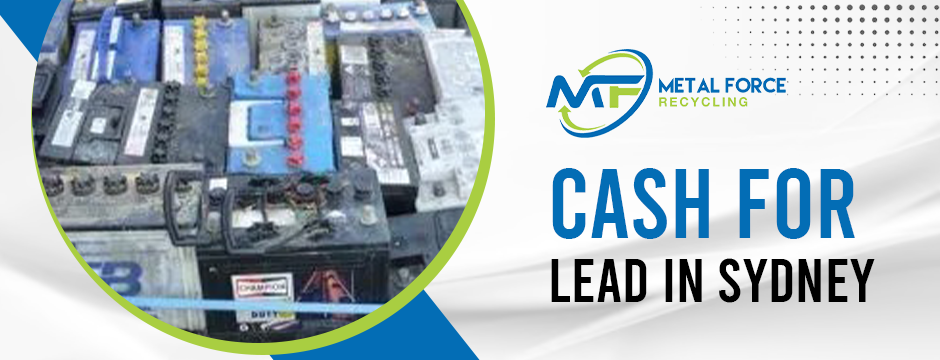
Lead does not usually make headlines in Sydney’s industrial conversations. Yet across construction sites, automotive workshops, plumbing projects, and battery facilities, cash for lead in Sydney appears more often than many businesses realise.
What’s interesting is not just how much lead is generated, but how frequently it is treated as disposal waste rather than a recoverable value.
In a city where operational efficiency and sustainability both matter, businesses are beginning to rethink how they handle surplus lead materials. At Metal Force Recycling, many Sydney operators are discovering that structured scrap recovery is not merely about waste management. It is about turning overlooked by-products into measurable returns.
Let’s look at where lead waste commonly comes from and why forward-thinking industries are paying closer attention.
Construction Sites: Where Renovation Meets Opportunity
Sydney’s skyline continues to evolve. Renovations, demolitions, commercial developments, and infrastructure upgrades generate significant volumes of scrap materials. Among them, lead quietly holds its place.
Older buildings often contain lead-based components.
Roofing systems, flashing, sheeting, and pipe connections frequently include lead, particularly in heritage structures. During demolition or refurbishment, these materials are removed for safety and compliance reasons.
In many cases, they are simply classified as waste and discarded through general disposal channels. However, lead’s recyclability changes that equation.
Instead of absorbing landfill costs, construction firms can redirect separated lead materials into recycling streams. This approach supports environmental compliance while potentially creating a secondary revenue flow.
For project managers, balancing budgets, recovering value from removed materials, or scrap batteries can offset disposal expenses. It also strengthens sustainability reporting for large-scale developments.
More construction firms are now planning scrap separation at the beginning of projects rather than as an afterthought. That shift reflects a broader awareness that waste streams can be managed more strategically.
Automotive Workshops: Beyond Routine Battery Disposal
If there is one sector where lead remains consistently present, it is automotive.
Workshops, fleet operators, transport depots, and vehicle dismantlers regularly handle lead-acid batteries. Over time, expired units accumulate in storage areas, often waiting for collection.
Lead appears in several automotive-related components:
- Vehicle and truck batteries
- Industrial and forklift battery systems
- Backup power units for transport facilities
It’s because batteries contain a high percentage of recoverable lead that proper recycling becomes essential. It is not only an environmental responsibility but also a practical operational decision.
Workshops that establish structured collection routines reduce storage risks and maintain safer premises. More importantly, accumulated battery scrap does not have to represent sunk cost. With organised recycling channels, these materials can re-enter manufacturing cycles rather than sitting idle.
Many automotive businesses now schedule regular scrap pickups instead of waiting for storage areas to fill. That shift reduces clutter, improves safety, and brings more predictability to operations. Hence, look for the best deal regarding cash for lead in Sydney.
Plumbing Projects: Hidden Lead in Everyday Repairs
Plumbing may not immediately appear as a significant source of lead waste. However, Sydney’s mix of older homes and modern upgrades tells a different story.
During renovation or pipe replacement projects, plumbers frequently remove:
- Old lead piping in heritage properties
- Lead solder from previous installations
- Flashing is used around chimneys and roof joints
These materials often accumulate in small quantities across multiple jobs. Individually, they may seem insignificant. Collectively, they add up.
Rather than disposing of these components through mixed waste channels, separating and consolidating them creates a more efficient disposal pathway. Over time, that small operational change can translate into measurable value.
For plumbing businesses working on government or large-scale contracts, demonstrating responsible scrap handling also strengthens compliance credentials. Environmental accountability increasingly influences contractor selection.
Industrial And Commercial Battery Systems
Beyond the automotive sector, lead remains widely used in industrial battery applications.
Telecommunications facilities, renewable energy storage installations, data centres, and emergency backup systems frequently rely on lead-acid technology. So, when these systems reach the end of their service life, replacement generates substantial volumes of recyclable material.
Industrial battery environments typically require:
- Structured removal processes
- Safe storage prior to transport
- Documented disposal for compliance purposes
Organisations managing these facilities often seek streamlined collection solutions to reduce operational friction. Accumulated lead components represent both a responsibility and a resource.
Forward-looking facility managers increasingly view scrap planning as part of asset lifecycle management rather than waste handling. When scheduled efficiently, collection processes for cash for lead in Sydney become routine rather than reactive.
The Operational Impact of Responsible Scrap Handling
While environmental responsibility remains central, operational efficiency is equally compelling.
Businesses that integrate structured lead scrap management often experience:
- Reduced landfill and disposal costs
- Cleaner and safer storage areas
- Improved compliance documentation
- More predictable waste handling routines
These benefits are not always immediately visible on financial statements, but they influence workflow, safety standards, and administrative simplicity.
Across Sydney, companies working with experienced partners such as Metal Force Recycling are aligning scrap handling with broader operational strategies. The focus is not solely on disposal. It is on recovering value while maintaining compliance.
Environmental Responsibility And Regulatory Awareness
Lead requires careful handling. Improper disposal carries environmental and regulatory consequences.
Sydney businesses operate under clear waste management guidelines, especially when dealing with hazardous materials. Mishandling can lead to fines, reputational damage, and increased scrutiny.
Recycling offers a structured alternative. Lead can be processed and reused without degrading its properties. That circular potential reduces demand for new raw material extraction while limiting environmental impact.
For construction firms bidding on public projects, automotive businesses seeking sustainability alignment, or commercial operators managing compliance audits, responsible scrap management strengthens credibility. They can benefit from cash for lead in Sydney.
A Shift in Perspective – From Waste to Resource
Perhaps the most meaningful change occurring across Sydney industries is not technical. It is psychological.
Lead scrap is increasingly viewed not as leftover debris, but as recoverable material with tangible worth.
- Construction managers are separating materials earlier in demolition phases.
- Automotive workshops are organising regular battery collection schedules.
- Plumbing businesses are consolidating and removing materials instead of discarding them immediately.
- Facility operators are incorporating scrap planning into maintenance cycles.
These changes are subtle, yet strategic.
Therefore, by working with structured recyclers like us, Metal Force Recycling, businesses can simplify the process while ensuring materials are handled responsibly. The focus remains on operational clarity, environmental care, and practical value recovery.
End Note
Sydney continues to expand. Infrastructure grows. Vehicle fleets evolve. Buildings are renovated and replaced. Energy storage systems are becoming more common.
With growth comes waste. With waste comes opportunity.
Industries that proactively manage lead scrap position themselves more efficiently in competitive markets. Hence, they reduce environmental impact, strengthen compliance, and unlock overlooked value streams.
The shift does not require a dramatic operational overhaul. Often, it begins with simple awareness: the waste generated today does not have to become tomorrow’s disposal cost.
When handled strategically, cash for leads in Sydney becomes part of a smarter business model. And in a market where efficiency, sustainability, and accountability increasingly intersect, that shift matters.