Take a look around your home, workplace, or construction site, and you’ll notice aluminium everywhere. From beverage cans and roofing sheets to vehicle parts and electrical systems, aluminium has become one of the most widely used metals in modern life.
What many people do not realize is that every piece of aluminium has value long after its original purpose is fulfilled. Instead of ending up in landfill, it can be recycled and transformed into new products while preserving precious natural resources.
At Metal Force Recycling, we see this every day. Households, businesses, builders, manufacturers, and automotive workshops all generate aluminium scrap that can be recovered, recycled, and reintroduced into the economy. This simple act does much more than generate extra income. It plays a vital role in protecting the environment and preserving resources for future generations.
In this article, we’ll explore how aluminium recycling contributes to sustainability, why it matters more than ever, and how individuals and businesses can make a positive impact while benefiting financially.
Why Aluminium Is a Unique Material
Unlike many materials that degrade over time, aluminium can be recycled repeatedly without losing its quality or performance.
This means that an aluminium can used today could become part of a vehicle, building material, or another can in the future. The recycling process preserves the metal’s essential properties, allowing it to remain useful for decades.
Because of this remarkable characteristic, aluminium is often considered one of the most sustainable materials available.
The challenge lies not in whether aluminium can be recycled, but in ensuring that valuable aluminium scrap enters the recycling stream instead of being discarded.
The Environmental Cost of Producing New Aluminium
To understand the importance of recycling, it helps to understand how new aluminium is produced.
Virgin aluminium is extracted from bauxite ore through a resource-intensive process involving mining, refining, and smelting. These activities require enormous amounts of energy and water while generating substantial greenhouse gas emissions.
Mining operations can also result in:
- Land degradation
- Habitat destruction
- Deforestation
- Soil erosion
- Increased carbon emissions
- Water contamination risks
As global demand for aluminium continues to rise, the pressure on natural resources increases as well.
This is where aluminium recycling becomes one of the most effective solutions.
How Aluminium Recycling Saves Natural Resources
Reduces the Need for Mining
Every kilogram of recycled aluminium reduces the need to extract new raw materials from the earth.
Mining operations consume land, fuel, machinery, and water. By recycling existing aluminium products, we decrease demand for new bauxite extraction and help preserve natural landscapes.
Future generations deserve access to healthy ecosystems and natural environments. Recycling contributes directly to that goal.
Conserves Energy
One of the most significant advantages of aluminium recycling is energy conservation.
Producing aluminium from recycled material requires only a fraction of the energy needed to manufacture virgin aluminium.
This dramatic reduction in energy consumption means fewer fossil fuels are burned and fewer emissions are released into the atmosphere.
For businesses focused on sustainability goals, choosing recycled aluminium is a practical and measurable step toward reducing environmental impact.
Reduces Greenhouse Gas Emissions
Climate change remains one of the biggest challenges facing future generations.
The production of new aluminium generates significant carbon dioxide emissions. Recycling existing aluminium dramatically lowers those emissions because the energy-intensive extraction and refining stages are avoided.
When more people recycle aluminium scrap, fewer emissions are released, helping create a cleaner and healthier future.
Minimizes Landfill Waste
Landfill space is becoming increasingly limited in many parts of Australia.
When aluminium products are discarded, they occupy valuable landfill space despite retaining significant recycling value.
Recovering aluminium scrap keeps reusable materials out of landfills and ensures they continue contributing to the economy.
This creates a more sustainable waste management system while conserving resources that would otherwise be lost.
Why Future Generations Depend on Recycling Today
Many environmental decisions have long-term consequences.
The choices we make today determine the quality of life available to future generations.
When communities embrace aluminium recycling, they create benefits that extend far beyond immediate financial returns.
These benefits include:
- Reduced pressure on natural resources
- Lower carbon emissions
- Cleaner air and water
- Healthier ecosystems
- Greater resource availability
- More sustainable industries
Recycling is not simply about managing waste. It is about protecting opportunities and resources for the people who will inherit our planet.
The Hidden Value in Everyday Aluminium Scrap
Many people underestimate how much aluminium they encounter daily.
Common sources include:
- Aluminium cans
- Foil packaging
- Roofing sheets
- Window frames
- Gutters
- Vehicle parts
- Wheel rims
- Electrical wiring
- Appliances
- Building materials
- Engine components
- Gearboxes
Instead of treating these items as rubbish, they should be viewed as valuable recyclable assets.
At Metal Force Recycling, we help customers maximize the value of their aluminium scrap while ensuring responsible recycling practices.
Understanding the Scrap Value of Aluminium
One of the most common questions people ask is about the scrap value of aluminium.
The answer depends on several factors, including:
- Material type
- Purity level
- Weight
- Market demand
- Contamination levels
- Current commodity prices
Different aluminium categories often command different prices.
Examples include:
Extruded Aluminium
Widely used in construction, exhibitions, workstations, trailers, and architectural applications.
Domestic Aluminium
Found in roofing sheets, cookware, household items, and vehicle components.
Cast Aluminium
Commonly used in outdoor furniture, gearboxes, engines, and industrial equipment.
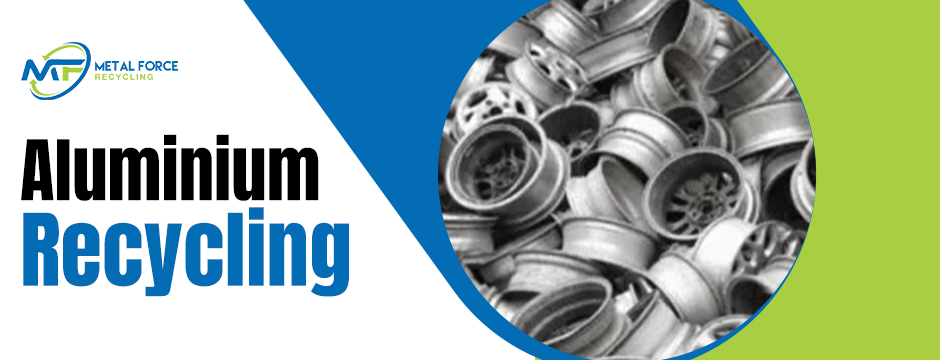
Aluminium Wheel Rims
Popular among automotive recyclers due to their relatively high value.
Aluminium Cans
One of the easiest and most accessible forms of recyclable aluminium.
Aluminium Wire
Found in electrical systems, power grids, and household wiring.
Aluminium Sheets
Used in appliances, roofing systems, siding, awnings, and construction projects.
Aluminium Engines and Gearboxes
Valuable sources of recyclable metal from end-of-life vehicles and machinery.
Why Businesses Are Prioritizing Aluminium Recycling
Sustainability is no longer optional.
Consumers, investors, and regulators increasingly expect businesses to demonstrate environmental responsibility.
Companies that implement aluminium recycling programs can benefit from:
Lower Waste Disposal Costs
Sending recyclable materials to landfill often incurs additional costs.
Recycling creates an opportunity to recover value instead.
Improved Sustainability Credentials
Businesses can demonstrate commitment to environmental stewardship through responsible recycling practices.
Additional Revenue Streams
Unused aluminium materials can generate income rather than becoming waste.
Stronger Brand Reputation
Customers are increasingly choosing environmentally conscious companies.
Recycling initiatives help strengthen public perception and trust.
How Metal Force Recycling Makes the Process Easy
Many people delay recycling because they assume the process will be difficult.
At Metal Force Recycling, we’ve simplified every step.
Our goal is to help customers convert unwanted aluminium into immediate value while supporting environmental sustainability.
We offer:
- Convenient scrap collection services
- Fast and accurate assessments
- Competitive market rates
- Prompt payment
- Responsible recycling practices
- Licensed and registered operations
Whether you have a few kilograms of cans or large volumes of industrial aluminium scrap, our team is ready to assist.
Businesses and individuals looking for the latest aluminium scrap price in Sydney can contact our team for up-to-date valuations and guidance.
Likewise, customers researching the current scrap aluminium price in Sydney can rely on Metal Force Recycling for transparent pricing and dependable service.
Small Actions Create Big Environmental Results
Many people assume environmental change requires large-scale action from governments or multinational corporations.
While those efforts matter, meaningful progress often starts with simple everyday choices.
Choosing to recycle aluminium rather than discard it may seem like a small decision.
Yet when thousands of households, businesses, and industries make that same choice, the cumulative impact becomes enormous.
Every recycled can, wheel rim, sheet, wire, or gearbox contributes to:
- Lower resource consumption
- Reduced mining activity
- Lower emissions
- Increased sustainability
- Greater economic efficiency
These are benefits that future generations will appreciate long after today’s aluminium products have been transformed into something new.
The Bottom Line
The importance of aluminium recycling extends far beyond waste management.
It helps conserve finite natural resources, reduce energy consumption, lower greenhouse gas emissions, and create a more sustainable future.
At the same time, recycling provides immediate financial benefits through the recovery of valuable aluminium scrap.
At Metal Force Recycling, we believe that responsible recycling is one of the simplest and most effective ways individuals and businesses can contribute to environmental preservation while earning competitive returns.
If you have unwanted aluminium materials sitting around your property, workshop, factory, or construction site, now is the perfect time to turn them into value.
Together, we can reduce waste, protect natural resources, and build a cleaner future for generations to come.
Frequently Asked Questions
- Why is aluminium recycling important for the environment?
Aluminium recycling reduces mining activities, conserves energy, lowers greenhouse gas emissions, and prevents valuable materials from ending up in landfill.
- Does recycled aluminium lose quality over time?
No. Aluminium can be recycled repeatedly without losing its original properties, making it one of the most sustainable metals available.
- What types of aluminium can be recycled?
Common recyclable materials include aluminium cans, wheel rims, sheets, wire, roofing materials, cast aluminium parts, engines, and gearboxes.
- How is the scrap value of aluminium determined?
The scrap value of aluminium depends on factors such as weight, purity, contamination levels, market demand, and the type of aluminium being recycled.
- Why should I choose Metal Force Recycling?
Metal Force Recycling offers competitive pricing, convenient collection services, fast payments, licensed operations, and environmentally responsible recycling solutions across Sydney.