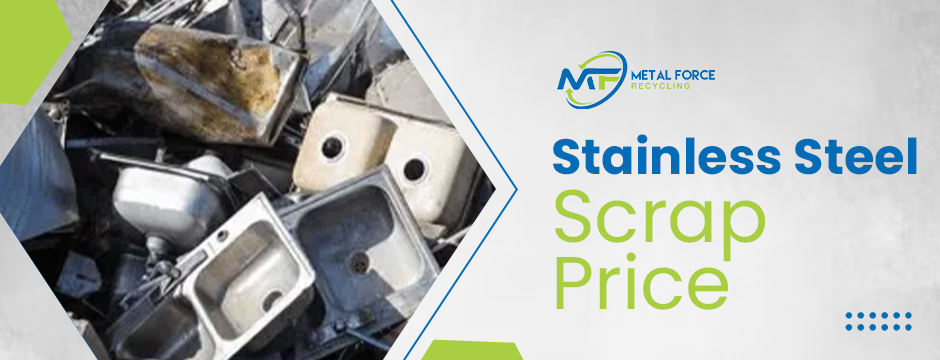
The recycling industry in Sydney continues to evolve rapidly, with growing attention from households, tradespeople, and industrial operators looking to monetise unused metals. Among all recyclable materials, stainless steel remains one of the most stable and widely traded commodities due to its durability and resistance to corrosion. The stainless steel scrap price plays a key role in determining how much value sellers can extract from their scrap, and it is typically influenced by global metal demand, alloy composition, and local market conditions. In Sydney, stainless steel scrap generally trades around $0.60 to $1.10 per kg, depending on grade and cleanliness, making it a consistent but variable source of income for scrap sellers.
Overview of Sydney Scrap Metal Market
Sydney’s scrap metal industry operates as a dynamic network of collectors, processors, and exporters who collectively determine pricing trends based on supply and demand. The city benefits from strong construction activity and industrial output, both of which generate a steady flow of recyclable materials. Within this ecosystem, scrap metal prices stainless steel are shaped by international steel demand, transportation costs, and the availability of high-grade alloys such as 304 and 316.
Unlike more volatile metals, stainless steel maintains relatively stable pricing due to its widespread use in manufacturing and infrastructure. However, fluctuations still occur when global nickel or chromium prices shift, as these are key components in stainless steel production. Sydney’s recycling sector also adjusts rates based on seasonal scrap availability, meaning prices can vary slightly throughout the year.
Current Pricing Structure in the Market
The value of stainless steel scrap is typically determined by grade, purity, and contamination levels. Clean and well-sorted materials always achieve better returns compared to mixed or contaminated loads. In Sydney, standard stainless steel scrap falls within the $0.60 to $1.10 per kg range, with higher-grade material reaching the upper end of this spectrum.
The stainless steel scrap price is also influenced by processing costs at recycling facilities. Materials that require minimal sorting or treatment are more valuable because they can be directly melted and reused. On the other hand, contaminated scrap may require additional cleaning, reducing its overall payout value.
Market participants often track international benchmarks to estimate short-term movements. While local pricing is relatively stable, global steel production trends and export demand can create temporary spikes or dips. This makes timing an important factor for sellers aiming to maximise returns in Sydney’s competitive scrap environment.
Understanding Scrap Material Sources
A wide range of industries contribute to the availability of stainless steel scrap across Sydney. Construction sites generate offcuts from structural steelwork, while automotive workshops produce worn components and discarded parts. Residential sources also contribute significantly through old appliances, kitchen fittings, and household fixtures.
The term scrap stainless steel refers to all these discarded materials that still hold recyclable value. Depending on their condition, these materials are sorted into categories before being priced. Clean industrial-grade stainless steel is typically more valuable than mixed household scrap, which may contain coatings, paint, or other contaminants that require removal during processing.
Efficient segregation at the source can significantly improve the financial return for sellers. Even small efforts such as separating magnetic and non-magnetic stainless steel can help recyclers assess value more accurately, resulting in better pricing outcomes.
Stainless Steel Grades and Market Value
Stainless steel is not a uniform material, and different grades significantly affect pricing outcomes. The most commonly traded grades in Sydney are 304 and 316, along with stainless steel turnings produced during machining processes. Each category has different levels of nickel content and corrosion resistance, which directly influences its market value.
The stainless steel scrap metal prices reflect these differences in composition and usability. Grade 316, often used in marine and chemical applications, typically commands higher value due to its superior resistance to harsh environments. Grade 304, widely used in domestic and commercial applications, remains the most common type in circulation and offers stable pricing.
Turnings and shavings, while still recyclable, are generally priced lower due to contamination from oils and processing residues. These variations highlight the importance of understanding material classification before selling scrap in order to achieve optimal returns in Sydney’s recycling market.
Recycling Process and Environmental Value
Recycling stainless steel is a highly efficient process that supports both economic and environmental sustainability. Once collected, scrap materials are sorted, cleaned, shredded, and melted before being reformed into new industrial products. This process significantly reduces the need for raw ore extraction, lowering energy consumption and greenhouse gas emissions.
Stainless steel recycling plays a vital role in Australia’s circular economy by ensuring that valuable metals are reused rather than discarded. Recycled stainless steel retains its original properties, meaning it can be reused indefinitely without degradation in quality. This makes it one of the most sustainable materials in modern manufacturing.
The recycling industry in Sydney continues to invest in advanced sorting technologies to improve recovery rates and ensure higher purity output. These improvements help stabilise supply chains and support consistent pricing structures across the market.
Market Trends and Value Optimisation
The Sydney scrap market is influenced by both domestic demand and global economic conditions. Infrastructure development, manufacturing output, and export demand all contribute to short-term pricing movements. As a result, sellers who stay informed about market conditions are better positioned to secure favourable returns.
The stainless steel scrap price can vary depending on seasonal demand and international commodity shifts. During periods of high industrial activity, prices tend to strengthen due to increased demand for raw materials. Conversely, during slower economic cycles, rates may stabilise or slightly decrease.
Sellers can improve their returns by ensuring scrap is clean, sorted, and free from non-metal attachments. Bulk quantities also tend to attract better pricing due to reduced handling and processing costs. Understanding these market dynamics allows both individuals and businesses to make more informed selling decisions.
Best Value for Scrap Metal in Sydney
Metal Force Recycling is a trusted name when it comes to getting top value for all types of scrap metals, especially stainless steel grades like 304, 316, and turnings. We offer highly competitive rates based on the latest market trends, where stainless steel scrap typically ranges from $0.60 to $1.10 per kg, along with strong payouts for copper, brass, aluminium, and more. With us, you get easy doorstep pickup across Sydney, fast service, and transparent pricing. Our goal is to ensure you receive maximum returns with zero hassle, while we handle responsible recycling and environmentally safe metal processing efficiently.
Conclusion
Stainless steel remains one of the most valuable and consistently traded recyclable metals in Sydney’s scrap industry. With a typical trading range of $0.60 to $1.10 per kg, its value is shaped by global commodity trends, material quality, and local market demand. The stainless steel scrap price continues to reflect these factors, making it an important benchmark for anyone involved in metal recycling. By understanding grading systems, market influences, and recycling processes, sellers can better navigate the industry and maximise the value of their scrap materials.